

Facilitators: Hennie Botha, Haynes van der Merwe, Jennifer Butt, Elbie Zwanepoel
Faculty: Prof H Botha, Dr H van der Merwe, Dr J Butt, Dr Elbie Zwanepoel
| Registration Category | Workshop Fee |
| SASOG Member Specialist | R1600.00 |
| Non Member Specialist | R2000.00 |
| Registrars, GP’s & Pensioners | R1440.00 |
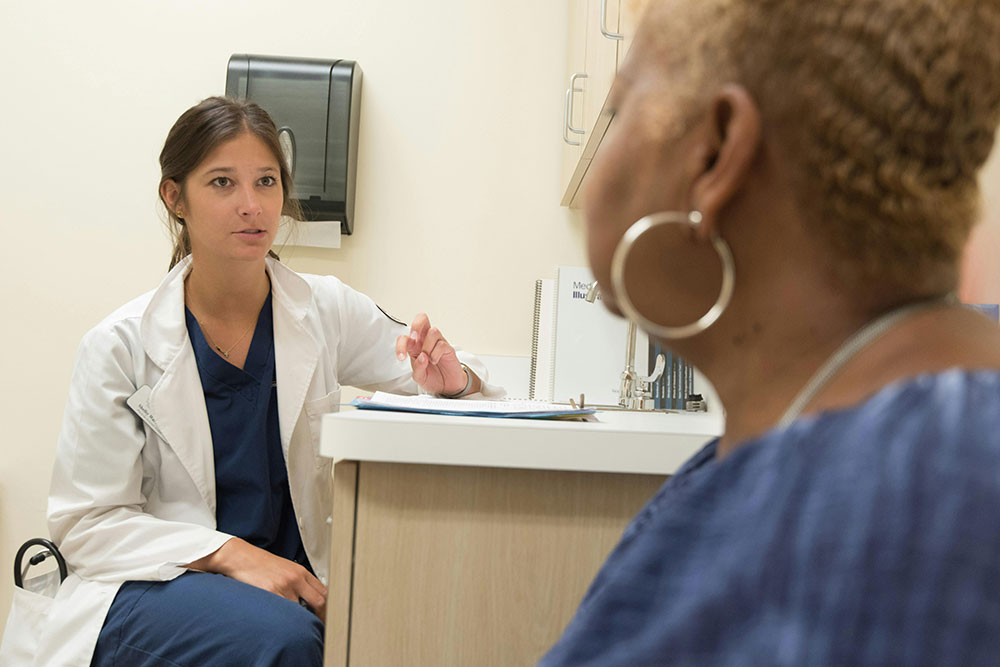
This workshop is designed to support clinicians through the transition from cytology-based cervical screening to primary HPV testing. With the Pap smear no longer the primary test, many clinicians are faced with new pathways, unfamiliar result types, and uncertainty about appropriate follow-up.
Through case-based discussion and practical examples, this session will clarify how primary HPV testing works, how to interpret results, and what actions to take in common and challenging scenarios. The workshop will focus on applying current screening guidelines in day-to-day practice, improving confidence in clinical decision-making, and supporting clear patient communication.
By the end of the workshop, participants will have a practical understanding of the new cervical screening pathway and feel confident using primary HPV test results to guide management and follow-up.
| Time | Topic | Speaker |
| 08:30 | Welcome & Setting the Scene | Hennie Botha |
| 08:40 |
HPV vs Cytology: The Evidence Why the shift to primary HPV screening is redefining best practice. Starting age, screening intervals, and the role (or not) of co-testing |
Jennifer Butt |
| 09:00 |
Understanding the Tests HPV detection explained: DNA vs RNA testing — what really matters? |
Dr. Sivarajan Vignesh Pattinam |
| 09:20 |
Sampling Strategies Clinician-collected vs self-sampling? |
Robyn Adams |
| 09:35 |
Risk-Based Management The new algorithm: does HPV genotype change management? |
Hennie Botha |
| 10:00 | Tea Break and hands on TA and LLETZ stations | |
| 10:45 |
Rethinking Colposcopy Can we move away from routine colposcopy? (The role of visual triage methods, “colposcopic impression” and VAT) |
Rebecca Luckett |
| 11:00 |
Thermal ablation in place of LLETZ When is it appropriate? |
Elbie Zwanepoel |
| 11:20 |
Post-Treatment Surveillance Best practices for follow-up after treatment |
Linda Rogers |
| 11:40 |
Interactive Case Discussions Practical application in real-world clinical scenarios |
Haynes van der Merwe |
| 12:30 | Close and lunch |